A place of remembrance
The Kigali Genocide Memorial stands in Gisozi, a district of Kigali. According to the memorial, it is the final resting place of 250,000 victims of the 1994 Genocide against the Tutsi in Rwanda. This figure refers to the people buried at this site. It is not the total number of people killed during the genocide.
The memorial is a place of mourning and of historical learning. Its exhibitions cover the history before the genocide, the genocide itself and its aftermath. It helps to arrive with time and without a tight schedule afterward.
This page is part of an independent travel guide. It is not the memorial's website, and it is not connected with the memorial or with the Government of Rwanda. Binding information is available only from the memorial itself. The details below reflect what the memorial published in October 2026.
The 1994 Genocide against the Tutsi
On April 6, 1994, the plane carrying Presidents Habyarimana and Ntaryamira was shot down. In the roughly 100 days that followed, mass killings took place across Rwanda. As the archive of the International Criminal Tribunal for Rwanda records, the victims were above all Tutsi civilians. Moderate Hutu were also targeted.
The genocide cannot be reduced to a spontaneous "tribal conflict". That description distorts what happened. Reading about this history before you go is good preparation for a visit.
The term used by the United Nations in Rwanda is "Genocide against the Tutsi", in full the "1994 Genocide against the Tutsi in Rwanda". UN Rwanda used this name in its commemoration report of April 22, 2026. This guide uses the same term on every page.
What the memorial contains
The memorial combines indoor exhibitions with outdoor gardens and graves. The order below follows the themes the memorial describes.
The history before the genocide
The exhibitions begin with the background: the history that preceded the genocide of 1994.
The genocide
A further section covers the genocide itself, the roughly 100 days from April 1994. It includes testimonies. Some of the material is distressing.
Aftermath and reckoning
Further exhibitions cover the consequences of the genocide and how Rwanda has dealt with them since 1994.
Biographies of children
The memorial also presents biographies of children who were among the victims.
Memorial gardens and graves
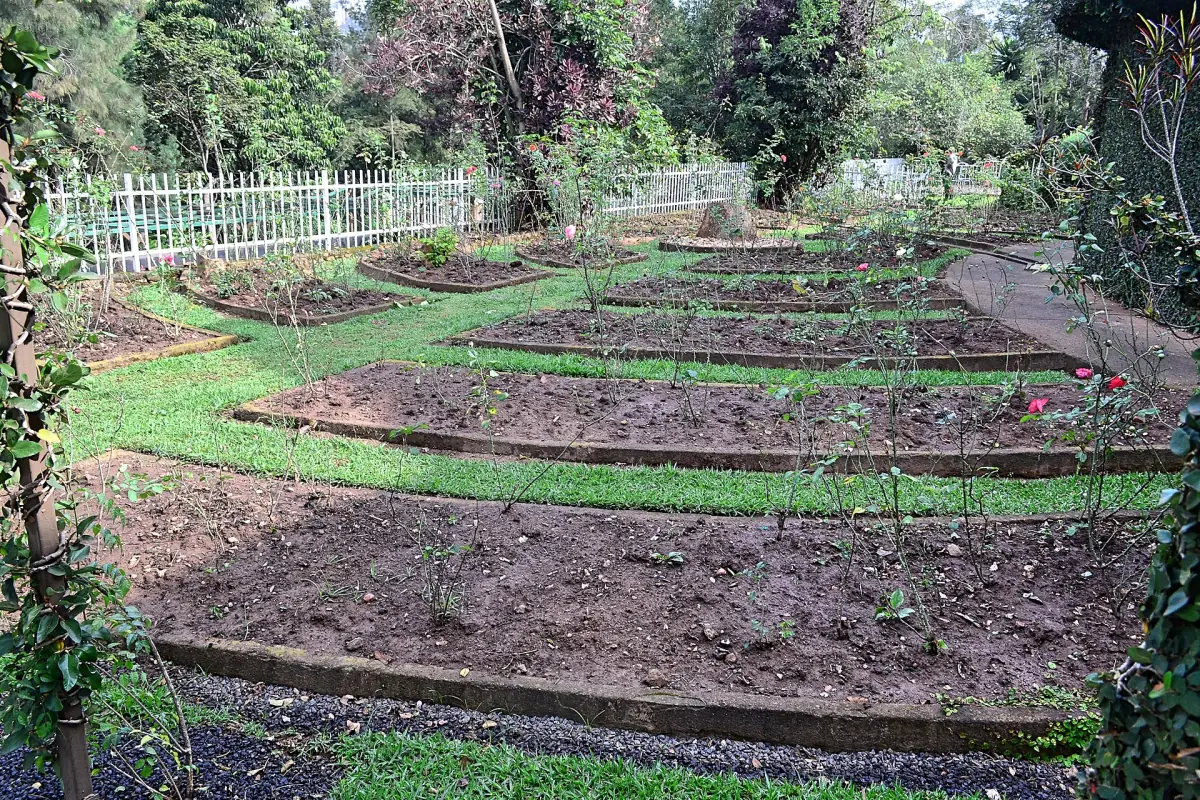
Outside are the memorial gardens and the graves of the victims buried at this site. The graves must not be walked on.
Opening hours, entry and closures
Entry is free. The memorial has its own donation page, but a donation is not an entrance fee.
| Topic | Details |
|---|---|
| Regular hours | Daily 09:00–17:00, last entry at 16:00 |
| Last Saturday of the month | 13:00–17:00, because of Umuganda |
| Closed | December 25 and January 1; usually also the morning of April 7 |
| Short closures | Closures of several hours at short notice are possible for VIP visits |
| Entry | Free; donations are voluntary |
| Age | No entry for children under 12 |
| Recommended time | At least 1.5 hours |
On the last Saturday of the month, traffic and trade in Rwanda are restricted during Umuganda. A study published in November 2025 gives the hours as 08:00 to 11:00. If your visit falls on that day, plan it for the afternoon. More on Umuganda is on our Kigali page.
The Ubumuntu audio guide package
The memorial offers the Ubumuntu package. It includes the audio guide, a rose and, depending on the option, a pin and a Wi-Fi coupon for the café. A separate price for the audio guide alone is not listed.
| Visitor group | With pin | Without pin |
|---|---|---|
| International adults and students | USD 30 or RWF 40,000 | USD 20 or RWF 30,000 |
| EAC visitors | USD 20 or RWF 30,000 | USD 15 or RWF 20,000 |
Prices as published by the memorial in October 2026. Ask at the reception which languages the audio guide is currently available in.
Guided visits with a member of staff
Groups can book a visit led by a guide from the memorial's own staff. The price is per group.
| Group size | Price per group |
|---|---|
| 1–5 people | USD 200 or RWF 300,000 |
| 6–10 people | USD 300 or RWF 400,000 |
| 11–15 people | USD 400 or RWF 500,000 |
| 16–20 people | USD 500 or RWF 600,000 |
The memorial lists a 15 percent reduction for students and EAC visitors. Ask whether it can be combined with other offers. Booking ahead is recommended. Groups of more than 15 people should book at least one week in advance, and groups of more than 30 are divided into smaller groups. A guided visit cannot be assumed to be available without prior booking.
Conduct at the memorial
The memorial asks visitors to behave with respect throughout the site. In summary:
- Dress and behave respectfully.
- Do not walk on the graves.
- Photography is permitted outdoors and is free of charge. Inside the exhibitions, no photos may be taken.
- Professional photographers, film crews and journalists need a permit or accreditation from the memorial.
Rwanda also bans plastic carry bags. Leave them out of your luggage, as described in our Rwanda travel tips.
Getting there and planning your visit
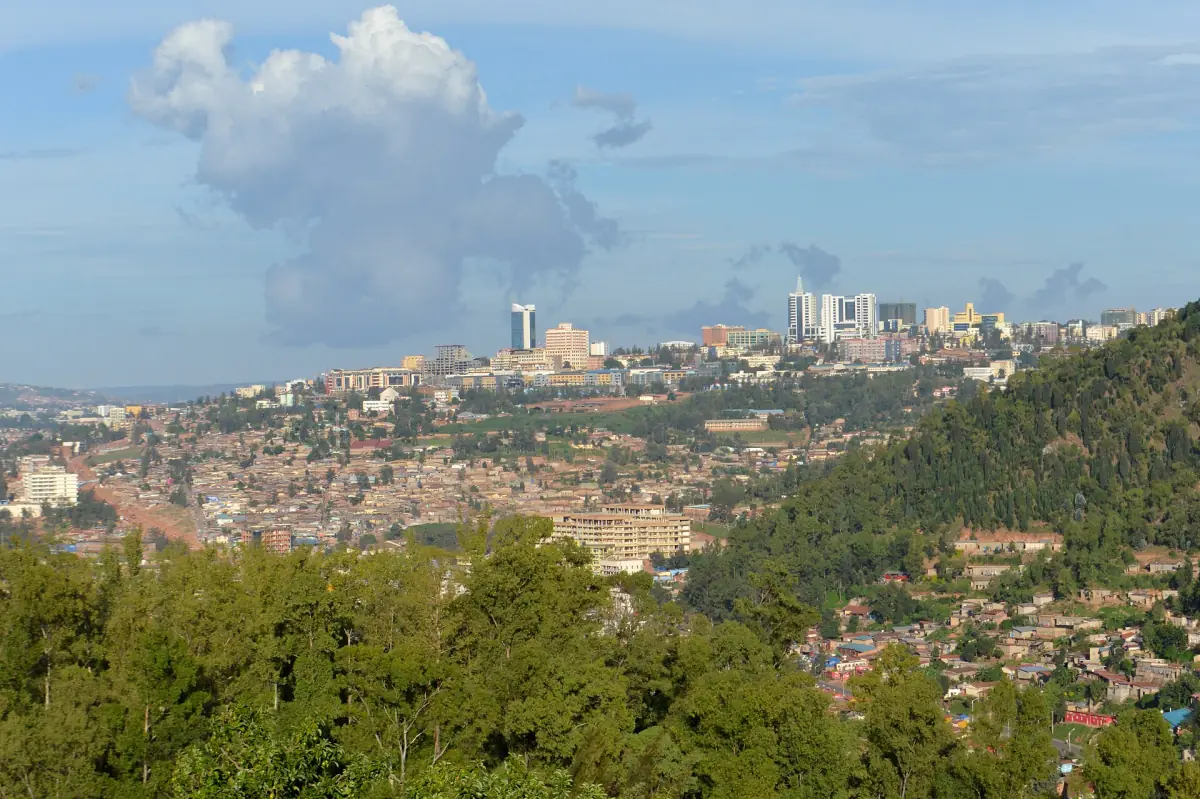
The memorial's address is KG 14 Avenue, Gisozi, Kigali. Parking is free. The nearest bus stop, Kinamba, is about 0.8 km (0.5 mi) away. Kigali buses use the Tap&Go smartcard; check the route with the bus operator before you travel. Kigali International Airport lies about 10 km from the city center.
Accessibility. According to the memorial, the permanent exhibitions can currently be reached only by stairs. Staff can help on request. The outdoor areas are easier to access.
Children. Children under 12 are not admitted. Families travelling with younger children should plan the day in Kigali with this in mind.
Time. Allow at least 1.5 hours, and leave the rest of the day open if you can, without a fixed program directly afterward. For where to base yourself in the city, see where to stay in Rwanda, and for the season, the best time to visit Rwanda.
Visiting the Kigali Genocide Memorial: common questions
When is the Kigali Genocide Memorial open?
Daily from 09:00 to 17:00, with last entry at 16:00. On the last Saturday of the month it opens at 13:00. It is closed on December 25 and January 1, and usually also on the morning of April 7.
Is there an entrance fee?
No. Entry is free. Donations are welcome but voluntary. The Ubumuntu audio guide package and guided visits with staff are paid separately.
Can children visit the memorial?
Children under 12 are not admitted.
Can I take photos?
Outdoors, yes, free of charge. Inside the exhibitions, photography is not permitted. Professional media need a permit or accreditation.
How much time should I plan?
The memorial recommends at least 1.5 hours. With the audio guide or a guided visit, allow more time if you can.
Is this the memorial's website?
No. This is an independent travel guide, not connected with the memorial or the Government of Rwanda. For binding information, contact the memorial directly.